






Sawdust charcoal, derived from compressed sawdust, has emerged as a versatile and eco-friendly alternative to traditional charcoal. Its widespread adoption is fueled by a myriad of benefits that cater to both consumers and the environment.
- Environmental Sustainability
One of the primary advantages of sawdust charcoal is its environmental sustainability. Unlike traditional charcoal, which often relies on unsustainable logging practices, sawdust charcoal utilizes a byproduct of wood processing, reducing waste and minimizing environmental impact. By repurposing sawdust into a valuable energy source, it helps alleviate deforestation and promotes responsible resource management.
- Reduced Emissions
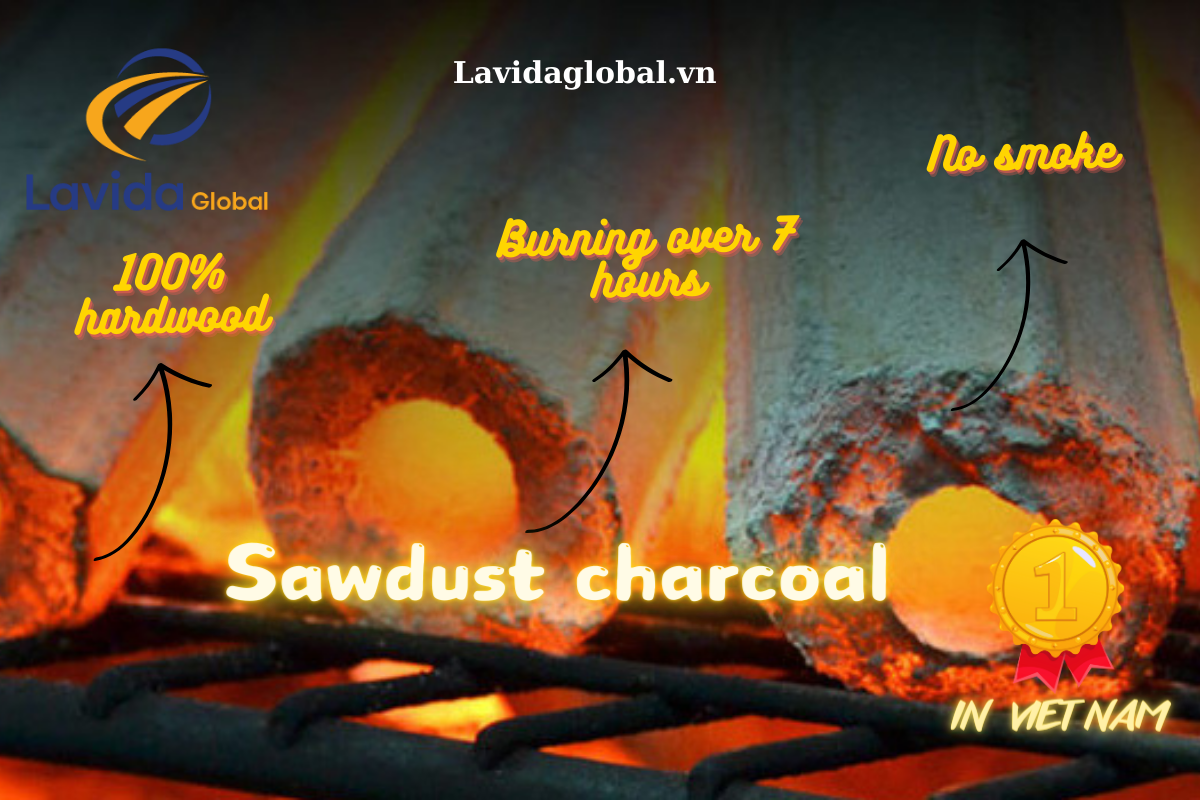
Sawdust charcoal is renowned for its clean-burning properties, emitting significantly fewer pollutants and greenhouse gases compared to traditional charcoal. Its high-density composition and uniform combustion result in reduced smoke and odor, creating a healthier and more pleasant cooking environment. Additionally, the absence of harmful chemicals and additives further enhances its appeal as an eco-conscious fuel choice.
- Enhanced Performance
In addition to its environmental benefits, sawdust charcoal offers enhanced performance and efficiency. With a higher calorific value and longer burn time than conventional charcoal, it delivers consistent heat output, making it ideal for grilling, smoking, and outdoor cooking. Its uniform size and shape also contribute to more predictable cooking results, ensuring even heat distribution and improved flavor retention.
- Versatility
Sawdust charcoal’s versatility extends beyond the realm of culinary applications. Its clean-burning nature and high energy density make it well-suited for a variety of industrial processes, including metallurgy, pharmaceuticals, and activated carbon production. Whether used for heating, smelting, or filtration, sawdust charcoal offers a reliable and sustainable energy solution for diverse industrial needs.
- Cost-Effectiveness
Despite its premium performance and eco-friendly credentials, sawdust charcoal remains an affordable option for consumers and businesses alike. Its efficient combustion and long-lasting burn time translate to lower fuel consumption and reduced operating costs. Moreover, the abundance of raw materials and streamlined production processes contribute to its competitive pricing, making it a cost-effective alternative to traditional fuels.
Conclusion
In conclusion, the benefits of using sawdust charcoal are manifold, encompassing environmental sustainability, reduced emissions, enhanced performance, versatility, and cost-effectiveness. As global concerns over environmental degradation and resource depletion continue to escalate, sawdust charcoal stands out as a beacon of sustainable innovation. By harnessing its myriad advantages, individuals and industries alike can embrace a cleaner, greener future while enjoying the superior performance and affordability of this innovative energy solution.